Failed Your Health Inspection? We Can Fix It Fast
Ventilation issues can threaten your business, causing negative air pressure, backdrafting, and compliance violations that disrupt operations and compromise safety. A properly installed make-up air unit resolves these problems by balancing air pressure, preventing carbon monoxide hazards, and ensuring code compliance.
Commercial kitchen ventilation problems are a leading cause of health inspection failures in Denver. Exhaust hood systems remove contaminated air, creating negative air pressure that must be replaced with fresh, conditioned air. Without a functioning make-up air unit, your kitchen becomes hazardous, with carbon monoxide backdrafting through gas appliances, doors becoming difficult to open, and HVAC systems overworking to compensate for the imbalance.
Inadequate make-up air leads to more than failed inspections. Poor air quality can cause headaches, fatigue, and respiratory issues for staff. Heating and cooling costs rise as conditioned air escapes without proper replacement. Kitchen equipment operates inefficiently, and carbon monoxide poisoning risks can result in serious injury or death.
At Innovative Plumbing & Heating Solutions, we specialize in make-up air unit installation for Denver-area commercial kitchens. With over 20 years of experience, we understand the challenges facing restaurant owners, cafeteria managers, and commercial kitchen operators in Colorado. Our team has resolved ventilation issues for hundreds of establishments, helping them achieve code compliance and safer working environments.
Whether you need a heated or unheated system, we’ll recommend the best solution for your facility and budget. Our assessment process examines your exhaust capacity, kitchen layout, equipment specifications, and local code requirements to design a make-up air system tailored to your needs. We work with leading manufacturers to provide reliable, energy-efficient units that deliver years of trouble-free performance.
Understanding Make-Up Air Requirements for Commercial Kitchens
Critical Components of Proper Ventilation:
- Balanced air pressure throughout the facility
- Adequate fresh air replacement for exhaust systems
- Temperature-controlled air delivery for comfort
- Strategic placement to avoid disrupting operations
- Integration with existing HVAC and hood systems
Make-up air units are essential for commercial kitchens, yet many business owners don’t realize their importance until facing a violation notice. Exhaust hoods can remove 1,500 to 10,000 cubic feet of air per minute during peak cooking hours, which must be replaced. Without a dedicated make-up air system, negative air pressure causes operational problems like difficult-to-open doors, unconditioned air entering through cracks, and compromised indoor air quality.
Modern building codes mandate make-up air systems for commercial kitchens with high exhaust capacities. Colorado’s stringent codes require these systems to protect worker safety and ensure proper building pressurization. Our team stays updated on local code amendments to ensure your installation meets every requirement.
Common Ventilation Problems We Solve
Issues We Address Daily:
- Negative air pressure causing doors to slam or stick
- Backdrafting through water heaters and furnaces
- Excessive heating and cooling costs
- Failed health department inspections
- Carbon monoxide accumulation risks
- Uncomfortable working conditions for staff
- Grease-laden air escaping into dining areas
Negative air pressure is a dangerous yet often overlooked problem in commercial kitchens. When exhaust systems remove more air than is supplied, the building becomes a vacuum, pulling air from any available source—including combustion gases from water heaters, furnaces, and cooking appliances. Backdrafting introduces carbon monoxide and other toxic byproducts into occupied spaces, posing serious safety risks.
Inadequate make-up air also impacts finances. HVAC systems struggle to maintain comfortable temperatures, increasing utility bills by 30% or more. Staff working in uncomfortable conditions may become less productive or leave, raising turnover costs. Food quality suffers when equipment operates inefficiently due to disrupted combustion air supply.
Our Make-Up Air Installation Process
Comprehensive Service Approach:
- Detailed site assessment and airflow calculations
- Custom system design tailored to your requirements
- Professional installation by licensed technicians
- Thorough testing and balancing procedures
- Complete documentation for inspection approval
- Staff training on system operation and maintenance
Successful make-up air installation begins with accurate assessment and proper system sizing. Our technicians measure exhaust hood capacity, evaluate kitchen layout, identify existing HVAC systems, and document special considerations like limited roof access. We calculate the exact volume of make-up air required to balance your exhaust system while maintaining slight positive pressure in dining areas to prevent kitchen odors from migrating to customer spaces.
System design involves selecting the right make-up air unit configuration. Heated units use gas-fired or electric elements to temper incoming air during cold weather, preventing drafts and reducing heating system load. Unheated units work well in mild climates or non-occupied spaces. We design ductwork layouts to deliver air effectively without interfering with kitchen operations.
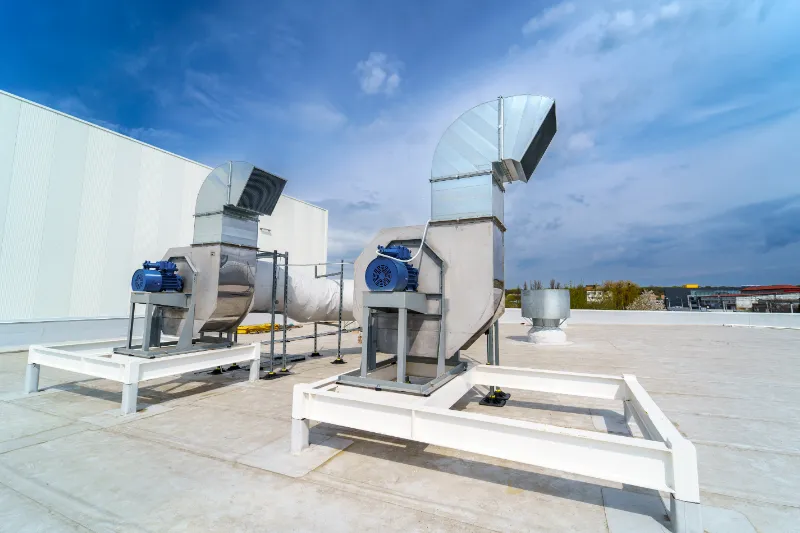
Installation is coordinated with your schedule to minimize disruption. Our crews complete roof penetrations, install mounting equipment, position the unit, run electrical and gas connections, fabricate ductwork, and integrate controls with your hood system. We maintain clean work areas and protect your equipment throughout the process.
Types of Make-Up Air Systems We Install
Available System Configurations:
- Direct-fired heated make-up air units
- Indirect-fired heated systems
- Unheated ambient air units
- Demand-controlled ventilation systems
- Integrated hood and make-up air packages
Direct-fired make-up air units are the most energy-efficient option for heating replacement air, achieving thermal efficiencies up to 95%. Indirect-fired systems use heat exchangers to separate combustion gases from supply air, providing clean air for occupied spaces. Unheated units move outdoor air into the building without temperature modification, ideal for mild climates or non-critical spaces. Demand-controlled ventilation systems adjust airflow based on cooking activity, saving energy during light cooking periods.
Why Denver Businesses Trust Our Expertise
Our Competitive Advantages:
- Licensed and insured Colorado contractors
- Extensive experience with local building codes
- Relationships with health department inspectors
- Access to commercial-grade equipment and parts
- Ongoing training on latest ventilation technologies
- Emergency service availability for urgent repairs
Operating a commercial kitchen in Denver requires understanding Colorado’s building codes, health department regulations, and environmental requirements. With over two decades of experience, we’ve developed expertise in local code interpretations and enforcement practices. We maintain professional relationships with inspectors, ensuring your installation passes on the first attempt.
Colorado’s climate presents unique challenges for make-up air systems. Winter temperatures require robust heating capacity to prevent cold drafts, while summer heat makes untempered air problematic. Our designs account for these extremes, ensuring year-round comfort. Denver’s altitude affects combustion equipment performance, requiring adjustments to gas pressures and airflow calculations. Our technicians receive specialized training in high-altitude installations to ensure safe, efficient operation.
Maintaining Your Make-Up Air System
Essential Maintenance Services:
- Regular filter inspection and replacement
- Burner cleaning and combustion analysis
- Control system calibration and testing
- Belt and bearing lubrication
- Electrical connection inspection
- Ductwork cleaning and repair
Proper maintenance extends the life of your make-up air system and ensures safe, efficient operation. Filters should be inspected monthly and replaced every 1-3 months based on cooking volume. Heated units require annual burner cleaning and adjustment to maintain combustion efficiency. Control systems need periodic calibration to ensure proper operation. We offer comprehensive maintenance programs to keep your system reliable and avoid unexpected breakdowns.
At Innovative Plumbing & Heating Solutions, we’re committed to helping Denver-area commercial kitchens maintain safe, compliant, and efficient ventilation systems. Our experienced team understands the critical role make-up air plays in your operation, and we’re dedicated to providing solutions that protect your staff, satisfy inspectors, and support your business success.
Don’t let ventilation issues jeopardize your business. Call us today at 720-287-2562 or visit us at 2222 E 74th Ave. unit 6, Denver, CO 80229 for a consultation. Let’s get your kitchen back on track!
For expert make-up air unit installation and service in Denver, contact Innovative Plumbing & Heating Solutions at 720-287-2562 or visit us at 2222 E 74th Ave. unit 6, Denver, CO 80229.